

commonmeerkat634
About Candidate
These guaranties act as a strong safety net, guaranteeing that the switch to electric vehicles is supported by business dedication and superior engineering. Manufacturers offer some of the strongest warranties in the automotive industry because they are so sure of this longevity. In response to mounting evidence that these systems are long-lasting, some progressive businesses have even expanded these protections. In the industry, it is common practice to guaranty batteries for a minimum of eight years or 100,000 miles, frequently guaranteeing that they will retain at least 70% of their initial capacity during that time.
You don’t need to think twice about charging your car to the full capacity if it uses this chemistry. Battery chemistry is another thing to think about. In order to help the battery management system accurately calibrate the state of charge, many manufacturers even advise regularly charging LFP batteries to 100%. Compared to older nickel-rich chemistries, newer batteries – such as lithium iron phosphate, or LFP, cells – manage full charges far better.
Similar to how brake pads thin or tires wear down, it is a natural process. The majority of warranties are valid for eight years or 100,000 miles; normal use deterioration, including full charges, won’t void that. Neither you nor the battery should harbor resentment. Accept the simplicity, have faith in the engineers, and quit worrying too much. Go from zero to full guilt-free. The distinction is that, even with daily 100% charging, your EV battery will probably last longer than you own the vehicle.
Your car is more intelligent than you realize, and whether or not it has a full tank, it can handle any challenge. Regardless of your habits, all batteries eventually deteriorate. Generally speaking, autopowercare.com yes. It’s best to check with your provider to see if this coverage is covered because some insurance companies have exclusions. If my electric car’s battery pack is damaged or defective, will my insurance pay for its replacement?
The industry is heading toward sustainability, serviceability, and modularity. Today, fixing a battery pack that was written off five years ago is a simple task. The response frequently suggests a partial fix. In actuality, the discourse has changed. A large number of early adopters who bought their electric cars more than ten years ago are still using them with the original batteries. It is reasonable to anticipate a range of 100,000 to more than 200,000 miles before any appreciable capacity loss is apparent.
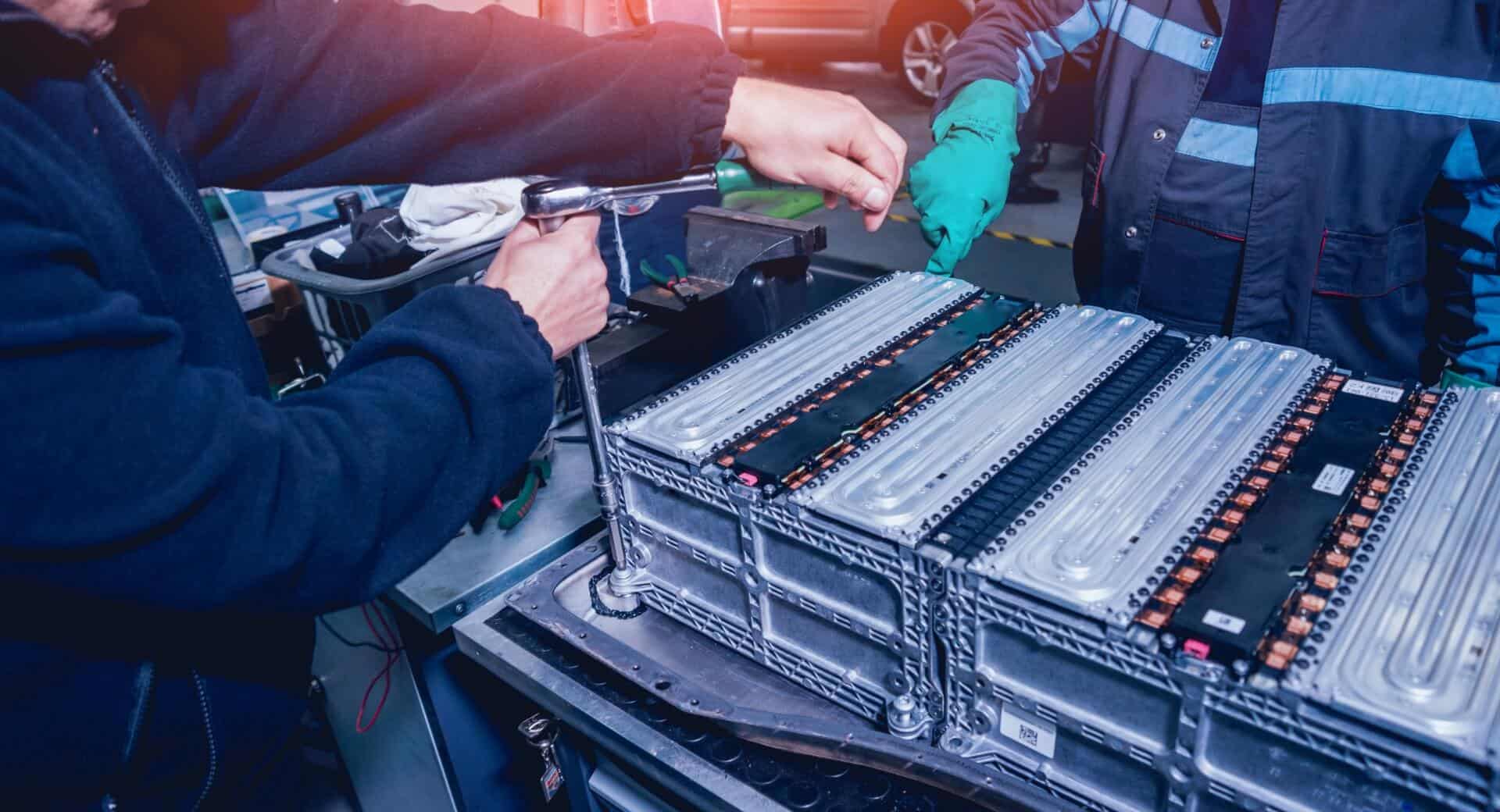 Strict testing and sophisticated chemical formulations that withstand wear over time are the reasons for this longevity. Industry data indicates an exceptionally long lifespan when assessing the durability of an electric vehicle power source.